Last updated 2026-08-19
TL;DR
If you run a custom slaughter plant in Iowa, you renew a state establishment license with IDALS under Iowa Code chapter 189A. The federal custom exemption (21 U.S.C. 623) drops daily inspection. It does not drop the Iowa license, sanitation under 9 CFR 416, or the ban on selling the meat. Confirm the current fee, form, and due date with the Meat and Poultry Inspection Bureau. Farm kills of your own animal are a different path.
What does custom exempt slaughter renewal mean in Iowa?
Custom exempt slaughter renewal in Iowa is the scheduled re-up of the state establishment license that lets you kill and cut other people's livestock and send the meat home with those owners. It is not a USDA grant of inspection. You get no federal inspection mark. The meat cannot be sold.
People mix this up with "no license at all." Wrong building, wrong paper. If you run a room where you slaughter for customers, Iowa treats that room as an establishment under Iowa Code chapter 189A.[9] The federal custom exemption in 21 U.S.C. 623 takes you off carcass-by-carcass inspection. It does not erase the Iowa license.[2]
Renewal is the boring part that keeps you legal. You give the Iowa Department of Agriculture and Land Stewardship (IDALS) what the Meat and Poultry Inspection Bureau asks for this year, you pay the fee that bureau and the current code list, and you stay open to a sanitation review. Miss it and you are operating without a license.
Kill only your own animal on your own farm for your own table, and you are in a different bucket. That is the owner-raised household path, not a custom plant. Do not use plant renewal advice for a backyard steer. The rest of this page is for custom exempt slaughter Iowa operators who take in animals that belong to someone else.
Do you need a license for custom exempt slaughter in Iowa?
Yes. If you operate a custom slaughter establishment in Iowa, you need a state license from IDALS. Iowa Code 189A.3 requires a license before a person operates a meat establishment.[3] The own-animal, own-household kill is the exception people actually qualify for, not a loophole for a shop that charges a kill fee.
Read the definition first. Iowa Code 189A.2 is where "establishment" lives. If your building is used to slaughter livestock or to prepare meat food products, you are inside that definition until the bureau (or counsel looking at your facts) says otherwise.[4] I would not guess from a forum post. I would call the Meat and Poultry Inspection Bureau and describe the building, the species, and whether any meat leaves as a sale.
Federal law still sits on top. 21 U.S.C. 623 says the inspection mandate "shall not apply" to "the custom slaughter by any person, firm, or corporation of cattle, sheep, swine, or goats delivered by the owner thereof for such slaughter" when the meat is exclusively for that owner's household, nonpaying guests, and employees.[2] That sentence is why you do not need a grant of inspection to do custom work. It is not why you skip Iowa's license.
Poultry has its own custom and producer exemptions in 9 CFR 381.10.[8] Do not assume a beef custom file automatically covers birds. Ask the bureau which species sit on the license you hold.
I would not pour concrete, buy a knock box, or take fall deposits until the bureau has told you which license you are on and whether water, sewage, and the room even qualify. A short email trail beats a myth.
How does Iowa custom exempt slaughter renewal actually work?
You renew with IDALS, not with a USDA district office, unless you also hold a federal grant of inspection. For a custom-only Iowa plant the paper path is the state establishment license. Confirm the current form, fee, and due date with the Meat and Poultry Inspection Bureau. I will not invent a fee or a processing clock. Those move. The bureau has the live number.
Calendar the expiration the day the license arrives. Iowa Code 189A.3 is the license section. Read the current PDF before you write a check, because that text is what they will cite if the packet comes back.[3] Iowa's meat inspection rules sit in Iowa Administrative Code agency 21, chapter 76. That chapter is where a lot of the state-level plant detail lives, including how Iowa folds in federal sanitation language.[5]
Send the application they are using this year, the fee they name, and any update to ownership, well or city water, or the physical plant. Changed coolers, cut a new floor drain, added a partner? Say so on the form. Surprises at review waste a month you do not get back.
Expect a custom exempt review of the floor and the records. FSIS Directive 5930.1 is the federal playbook for custom exempt reviews.[7] Iowa's state program is the crew that walks a state-listed custom plant. Treat it like a real look at sanitation, "Not for Sale" marks, inedible control, and the owner log. It is not a friendly wave from the driveway.
No approval guarantee. No two-week promise. If a vendor says they can time the bureau, they are selling smoke. Confirm every date with IDALS.
How much does custom exempt slaughter cost in Iowa?
Two different bills get mixed together. One is what you pay the state to stay licensed. The other is what a customer pays a plant (or pays you) to kill and cut an animal.
The license fee is a board-confirmable fact. Open the current Iowa Code 189A.3 PDF and call the Meat and Poultry Inspection Bureau.[3] I am not going to print a dollar figure that may have been amended. Anyone publishing a cute statewide "the license costs X" without that call is guessing.
The slaughter bill is private. Iowa does not set a statewide custom kill price. Plants charge by the head, by hanging weight, by the cut sheet, and by extras like sausage or a rush date. Those numbers move with labor and energy. Nobody has a current official Iowa price list I trust enough to quote as the number. Get two written quotes from plants you would actually use, in the season you need them. October books fill first.
Building or converting a plant is a third number, and it is the one that wrecks first-year budgets. Cooler capacity, potable water, a sewer or septic system that can take blood and paunch manure, a stun setup you can keep humane, and a floor you can wash. That is real money. I would not buy used rails until the bureau has looked at the room they will hang in.
Waste of money: a retail display case in a custom-only room. Custom meat goes home with the owner. You are not merchandising a case.
If you are assembling sanitation logs and owner records, a one-time paper kit can save a weekend. CustomExemptPath sells a $249 USDA Custom-Exempt Kit. It does not replace the Iowa license and it does not file your renewal.
How long does custom exempt slaughter take in Iowa?
There is no official Iowa stopwatch for a custom kill. Confirm the live wait with the plant you want. After 2020 a lot of Midwestern books ran long, but I will not invent a current statewide average. Nobody has a clean public data set I can defend.
The work itself is short. Stun, stick, hide or scald, eviscerate, wash, and into the cooler is often a same-day chain for one head if the crew is set up. Chill takes time. Beef is often aged days, not hours, before cut-and-wrap. Pork and lamb move faster. Sausage or cured product waits on that room's schedule, not on the kill.
The long part is the appointment. Call early. Need a specific week in October? You should have been on the phone in spring. That is practice, not a statute.
License renewal time is also not a published guarantee. Put the packet in well before the printed expiration and keep proof of mailing or the email timestamp. If the bureau is backed up, operating on a hope and a voicemail is how you get a stop-work conversation.
For a brand new plant, plan review and a first license take longer than a straight renewal. How long? Confirm with IDALS. Anyone who sells you a fixed day count is not the person who stamps the license.
What paper do you keep at an Iowa custom exempt plant?
Keep the owner list like it is the business. 9 CFR 303.1 requires a custom operator to keep records showing the numbers and kinds of livestock slaughtered on a custom basis, the quantities and types of products prepared, and the names and addresses of the owners.[1] That is the federal floor. Iowa can ask for those records on review under chapter 189A and 21 IAC 76.[5][9]
Mark the product. 9 CFR 303.1 requires custom prepared product to be marked "Not for Sale."[1] If a box leaves your dock without that, you have a sales problem waiting to happen. I would mark carcasses, quarters, and finished packages. Ink is cheap.
Keep water tests if the bureau asked for potability. Keep pest logs, cooler temps, and a sanitation record that shows you washed floors and contact surfaces on the days you killed. 9 CFR 416 is the sanitation part that still applies to custom exempt operations.[6]
Keep several years of owner records if you have the cabinet space, even if a shorter window is the formal ask. Disputes about "that was my steer" show up late.
Do not invent a HACCP plan you do not run. A custom-only plant is not an official inspected establishment. If you later add inspected slaughter, that is a different paper mountain (a grant of inspection, plus the full official HACCP and SSOP stack). Mixing the two without telling the bureau is how people get in real trouble.
What rules still apply if you are exempt from daily inspection?
Exempt from continuous inspection is not exempt from sanitation, humane handling, or the ban on selling the meat.
9 CFR 416.1 says each official establishment must be operated "in a manner sufficient to prevent the creation of insanitary conditions and to ensure that product is not adulterated."[6] Custom exempt plants get held to sanitation performance. If your floor smells like last Tuesday, you will hear about it.
Humane slaughter policy sits in 7 U.S.C. 1902. The statute says a method is not in line with U.S. public policy unless it is humane.[11] On review, stunning and handling get watched. A poorly maintained captive bolt is not a personality quirk. It is a finding.
You still cannot sell the custom meat. Not at a farm stand, not as freezer beef by the cut, not to a restaurant. 21 U.S.C. 623 limits the meat to the owner's household, nonpaying guests, and employees.[2] Iowa Code chapter 189A is built to keep uninspected product out of sale channels.[9]
Inedible material (paunch, condemned parts, hides if you handle them) needs a real path off the floor. "We'll figure it out" is not a path.
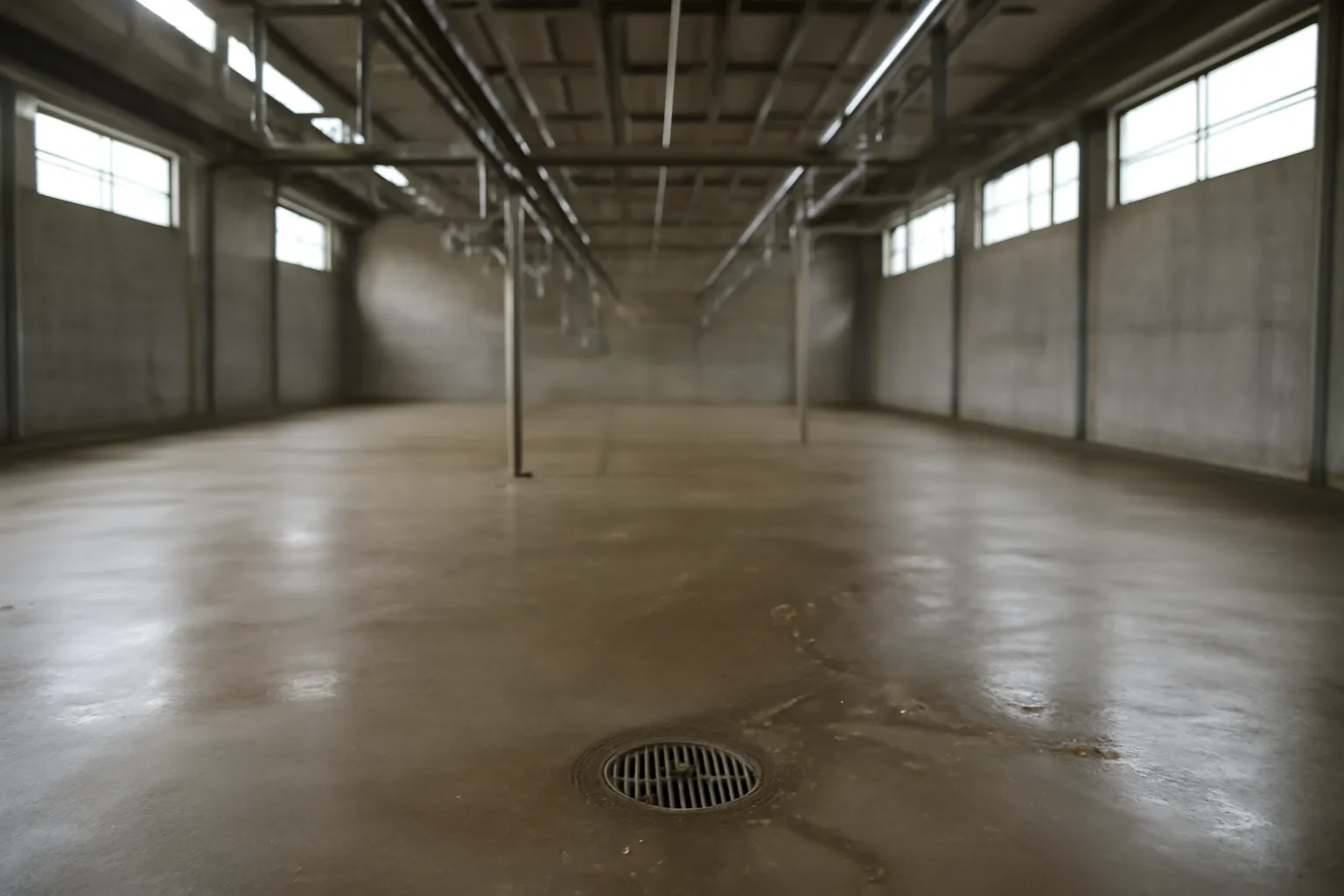
Walk the plant the morning before a review with a hose and a flashlight. Inspectors look where you stopped looking. Condensation over exposed product, rusty rails over a carcass, and a drain that does not drain are the usual ugly three. Fix those before you argue about paperwork.
Is killing your own animal the same as running a custom plant?
No. Farm slaughter of your own animal for your own household is not the same as running a custom plant, and renewal advice does not transfer.
21 U.S.C. 623 separates the two. One clause covers slaughter by a person of animals of his own raising for household use. The next clause covers custom slaughter of animals delivered by the owner.[2] Only the second one is a business with other people's cattle in your cooler.
Neighbors drop off steers and you charge a kill fee? You are in the custom plant world. Iowa Code 189A.3 is the license gate.[3] Calling the cash a favor does not change the facts.
Kill only your own livestock, on your farm, and the meat never sells, and you are usually outside the establishment license. "Usually" is doing work there. The moment you start taking in other people's animals, or selling cuts, you have changed categories. Get that answer from IDALS before the first neighbor animal hits the rail.
Wildlife is another desk. Some custom plants do deer under separate game rules. Do not assume your livestock license text covers cervids. Ask.
| Path | Whose animal | Can the meat be sold | Iowa establishment license |
|---|---|---|---|
| Own-raising household kill | Yours | No | Usually no, confirm with IDALS |
| Custom exempt plant | Customer's | No | Yes |
| Inspected slaughter | Bought or owned livestock | Yes, if properly marked | State or federal inspected plant |
What happens if your Iowa slaughter license lapses?
You stop slaughtering for customers until the license is current. Operating an establishment without a license is what Iowa Code 189A.3 is written to block.[3]
I would not "finish the booked week and then renew." That sentence sounds practical and reads like a willful violation if something goes wrong with a carcass.
Call the Meat and Poultry Inspection Bureau the morning you notice the lapse. Ask what they want: a late renewal, a new application, a downtime note. Write down the name of the person you spoke with and the date.
Product already in the cooler that was produced while you were licensed is a facts question for the bureau. Product you make after the expiration is the dangerous pile. Do not invent a story around it.
Sold custom meat while lapsed? You have a second problem that renewal will not fix. Get legal counsel. This site is not that.
How do Iowa custom rules sit next to the USDA exemption?
Iowa runs a state meat and poultry inspection program. Custom plants in Iowa are usually on the state list, reviewed by state inspectors, and still bound by the federal custom exemption text in 21 U.S.C. 623 and 9 CFR 303.1.[1][2] FSIS also publishes a custom exempt review page that explains the federal side of that review work.[10]
USDA FSIS writes the custom exemption in 9 CFR 303.1 and reviews custom operations under Directive 5930.1.[1][7] Iowa writes the establishment license in chapter 189A and the state meat rules in 21 IAC 76.[5][9] You need both stories to be true at once.
Take a federal grant of inspection and you can do inspected product with a mark of inspection. You may still do custom in a separated way if the rules and your approved setup allow it. That is a bigger shop. Most people reading this want custom only.
Paper in other states is not portable. A file from custom exempt slaughter renewal in Colorado or custom exempt slaughter renewal in Idaho does not cover an Iowa floor. The form is still different in Arkansas, California, Arizona, and Alabama. Read that state's statute. Do not photocopy another state's packet into an Iowa envelope.
What does first year look like after you renew?
First year after a new license (or a rusty renewal) is records and rhythm, not marketing.
Book fewer animals than your cooler can theoretically hold. Overfilling a hot box is how you create insanitary conditions under 9 CFR 416.[6] Leave space, watch temperatures, and write them down.
Train whoever stuns. One person who actually hits the right spot beats a crew that watched a video once. Humane handling is not optional color.[11]
Write the cut sheet in words the owner understands. Custom work dies in arguments about steaks versus roasts.
Pay for a water test if you are on a well. City water still needs you to keep hose ends out of the floor drain.
Schedule a mock review about a month after you start killing again. Walk it as if you did not own the place. Fix the first ugly things. Then take the next animal.
Do not add a second species, a deer season, or a retail dream until the first species runs clean for a stretch of real production days. Scope creep is how first-year plants get sloppy.
What would I actually do before I send the renewal?
I would print Iowa Code 189A.3, 9 CFR 303.1, and 9 CFR 416.1 the night before I filled anything out.[1][3][6] I would call IDALS and ask what form they want this year and what fee they are collecting. Then I would ask what date they treat as expired. I would write the answers in the file.
I would update the owner log so a stranger can read it. Name, address, phone, species, head count, date in, date out, "Not for Sale" applied. That is enough. Cute software is optional.
I would walk the floor with a flashlight and a bad mood. Drains, rust, condensation over exposed product, broken door gaskets. Those fail reviews.
I would not pay a consultant to expedite a routine renewal. Waste of money.
CustomExemptPath is an independent publisher, not a law firm and not a service company. If you want the binder templates, the kit is at /start. The license still comes from Iowa.
Frequently asked questions
Do you need a license for custom exempt slaughter in Iowa?
Yes, if you operate a custom slaughter establishment. Iowa Code 189A.3 requires a license from IDALS before a person operates a meat establishment. Killing only your own animal on your farm for your household is a different path. Confirm your facts with the Meat and Poultry Inspection Bureau before you take in a neighbor's livestock.
How much does custom exempt slaughter cost in Iowa?
The state license fee is set in current Iowa law and by IDALS. Confirm the live dollar amount in Iowa Code 189A.3 and with the bureau. Do not trust an old blog number. What customers pay a plant is private, by the head or hanging weight, and it moves with labor. Iowa does not publish an official custom price list.
How long does custom exempt slaughter take in Iowa?
The kill itself is often same-day into the cooler. Aging and cut-and-wrap add days, longer if you want sausage or cured product. The slow part is getting on the plant's book, especially in fall. License renewal has no public guaranteed clock. Confirm wait times with the plant and due dates with IDALS.
Can I sell custom exempt meat in Iowa?
No. 21 U.S.C. 623 limits custom meat to the owner's household, nonpaying guests, and employees. 9 CFR 303.1 requires the product to be marked Not for Sale. Selling those cuts at a farm stand, as freezer beef by the piece, or to a restaurant is outside the exemption. Inspected product is a different license.
How often do I renew a custom slaughter license in Iowa?
Treat it as an annual state establishment license unless the current license face or IDALS tells you otherwise. Read the expiration on the document you hold and confirm the cycle with the Meat and Poultry Inspection Bureau. I will not invent a statutory day count. Put the packet in before the printed date and keep proof you sent it.
Does custom exempt mean no inspector ever shows up?
No. You are off continuous carcass-by-carcass inspection. You are not off review. FSIS Directive 5930.1 is the federal custom exempt review playbook. Iowa state inspectors review state-listed custom plants for sanitation, records, marks, and humane handling. Plan on a real walk-through, not a driveway wave.
Do I need HACCP for a custom-only plant in Iowa?
A custom-only plant is not an official inspected establishment, so the full inspected-plant HACCP stack is not the custom-exempt starting point. You still need sanitation that meets 9 CFR 416 performance and records under 9 CFR 303.1. If you add inspected slaughter later, HACCP and a grant of inspection arrive with that change. Ask IDALS before you mix the two.
Can I slaughter my own steer on my farm without a license?
Often yes, if the animal is of your own raising, the meat is only for your household, and nothing is sold. That is the owner-raised clause in 21 U.S.C. 623, not a custom plant. The moment neighbors pay you to kill their animals, Iowa Code 189A.3 is in play. Confirm edge cases with IDALS before the first outside animal.
What does Not for Sale have to go on?
9 CFR 303.1 requires custom prepared product to be marked Not for Sale. I would mark the carcass, the quarters, and the finished packages so a box cannot wander into a sale channel unmarked. If an inspector cannot see the mark, you do not have a mark. Ink is cheaper than a product control meeting.
Who do I call in Iowa to confirm renewal?
Call the Meat and Poultry Inspection Bureau at the Iowa Department of Agriculture and Land Stewardship. Ask for the current establishment license form, the fee they are collecting, and the date they treat as expired. Write down the person's name. Iowa Code 189A.3 and 21 IAC chapter 76 are the documents to have open while you call.
Does poultry custom work the same as beef in Iowa?
Not automatically. Red-meat custom sits in 21 U.S.C. 623 and 9 CFR 303.1 (cattle, sheep, swine, goats). Poultry exemptions sit in 9 CFR 381.10. Your Iowa license text may or may not list birds. Ask the bureau about species before you book turkeys on a beef custom day.
What records does Iowa expect me to keep?
At minimum, follow 9 CFR 303.1: numbers and kinds of livestock, products prepared, and each owner's name and address. Keep sanitation and cooler records that show 9 CFR 416 is more than a poster. Iowa can ask for those files on review under chapter 189A and 21 IAC 76. A stranger should be able to read the log.
Can a custom plant also do inspected slaughter?
Sometimes, if you obtain the proper inspected status (state or federal grant of inspection) and keep custom work inside the rules for separation and marking. That is a bigger paper mountain than custom-only renewal. Do not start stamping an inspection mark on custom carcasses. Talk to IDALS before you advertise both.
Is a third-party paperwork kit a state license?
No. Templates, checklists, and sanitation logs are homework helpers. They do not license the building. Only IDALS issues the Iowa establishment license, and only the current Iowa Code plus 21 IAC chapter 76 tell you what that license rests on. A kit that claims to replace the bureau is a waste of money.
Sources
- eCFR, 9 CFR 303.1 Exemptions: Custom slaughter of owner-delivered cattle, sheep, swine, or goats is exempt from continuous inspection when product is for the owner's household use; custom product must be marked Not for Sale; custom operators must keep owner and livestock records.
- U.S. House Office of the Law Revision Counsel, 21 U.S.C. § 623: FMIA inspection requirements shall not apply to custom slaughter of cattle, sheep, swine, or goats delivered by the owner when meat is exclusively for that owner's household, nonpaying guests, and employees.
- Iowa Legislature, Iowa Code 189A.3: Iowa requires a department license before a person operates a meat establishment; current fee and term are in this section and must be confirmed on the live PDF.
- Iowa Legislature, Iowa Code 189A.2: Iowa Code 189A.2 defines establishment and related meat inspection terms used to decide who needs the license.
- Iowa Legislature, Iowa Administrative Code agency 21 chapter 76: Iowa meat and poultry inspection rules for plants, including how state rules implement sanitation and related establishment duties, sit in 21 IAC chapter 76.
- eCFR, 9 CFR 416.1 General rules: Each official establishment must be operated and maintained in a manner sufficient to prevent insanitary conditions and to ensure that product is not adulterated; sanitation performance still applies to custom exempt operations.
- USDA FSIS, Directive 5930.1 Custom Exempt Review: FSIS instructs inspection personnel on recurring custom exempt reviews of custom operations, records, and related controls.
- eCFR, 9 CFR 381.10 Poultry exemptions: Poultry custom and related producer exemptions are written in 9 CFR 381.10 and are not the same text as the red-meat custom rule.
- Iowa Legislature, Iowa Code chapter 189A Meat and Poultry Inspection: Iowa's Meat and Poultry Inspection Act is Iowa Code chapter 189A, the state statute that licenses establishments and controls uninspected meat.
- USDA FSIS, Custom Exempt Review program page: FSIS describes federal custom exempt review as the oversight path for custom operations that do not have a grant of inspection.
- U.S. House Office of the Law Revision Counsel, 7 U.S.C. § 1902: Federal humane slaughter policy requires a humane method of slaughter and handling in connection with slaughter.
- eCFR, 9 CFR Part 416 Sanitation: 9 CFR part 416 is the sanitation part custom exempt plants are still held to on review.